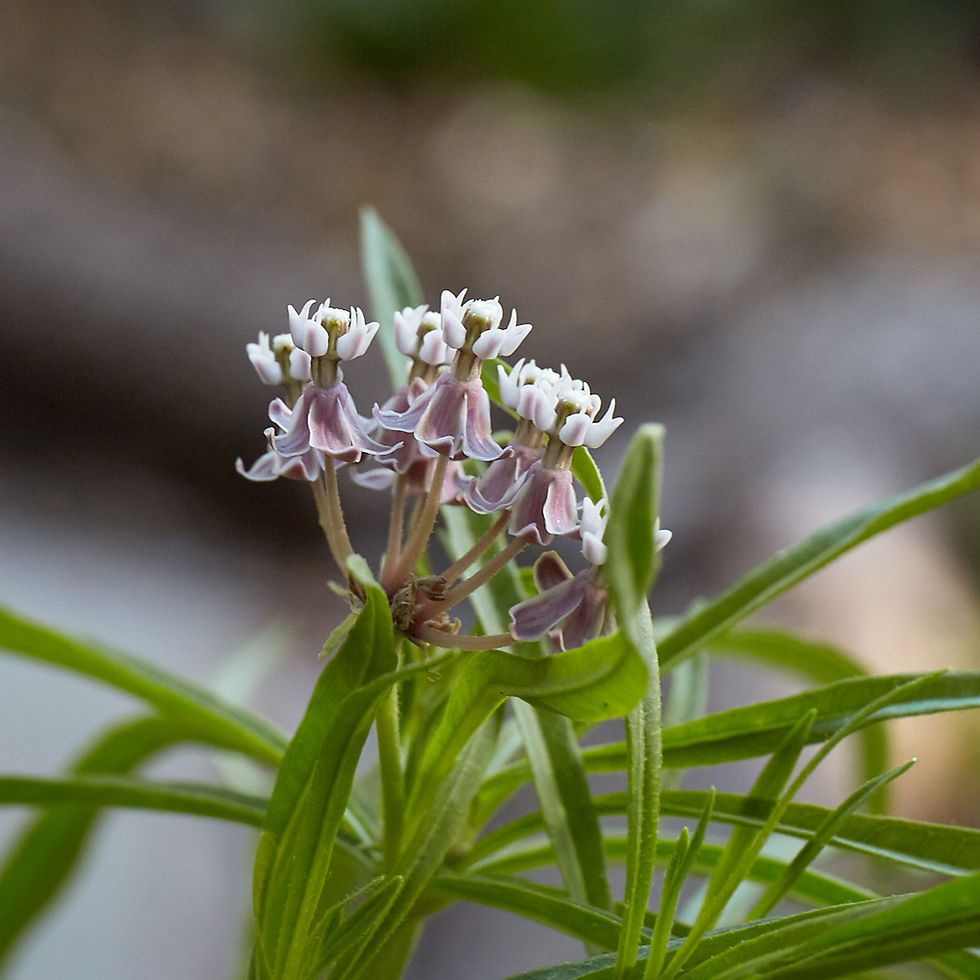
Native Habitat:
Open woodlands, dry meadows, rocky slopes, forest edges, and montane habitats across western North America, including suitable upland habitats in and around the Willamette Valley. Prefers sunny, well-drained sites with seasonal moisture.
Bloom Time:
June – September
Growth Habit & Mature Size:
Perennial herb, typically 2–5 feet tall, with upright, branching stems and opposite, nettle-like leaves. Produces dense terminal spikes of small tubular flowers ranging from pale pink and lavender to purplish-white. The foliage is often aromatic when crushed.
Light & Soil Requirements:
Full sun to partial shade; thrives in well-drained sandy, loamy, or rocky soils. Tolerates summer drought once established and performs best where winter and spring moisture are followed by dry summers.
Willamette Valley Native Companion Plants:
Achillea millefolium
Eriophyllum lanatum
Festuca idahoensis
Lomatium dissectum
Penstemon hesperius
Wyethia angustifolia
Urban Garden Function:
Adds height, aromatic foliage, and long-lasting summer bloom to pollinator gardens, dry meadows, prairie plantings, and water-wise native landscapes. Its upright flower spikes create strong vertical structure and provide an extended source of nectar during the summer growing season.
Wildlife Supported:
The tubular flowers are an important nectar source for bumblebees and other long-tongued native bees, including miner bees and large leafcutter bees. Hummingbirds may also visit the flowers, while butterflies, including swallowtails and skippers, use the abundant nectar during the summer bloom period. The foliage supports a variety of herbivorous insects, and the dense stems provide shelter for spiders and other predatory arthropods that contribute to the garden food web.
Historical Use:
Used traditionally by Indigenous peoples for medicinal and aromatic purposes, with different communities using related Agastache species in a variety of ways. Valued today for its aromatic foliage, drought tolerance, striking flower spikes, and exceptional pollinator support.