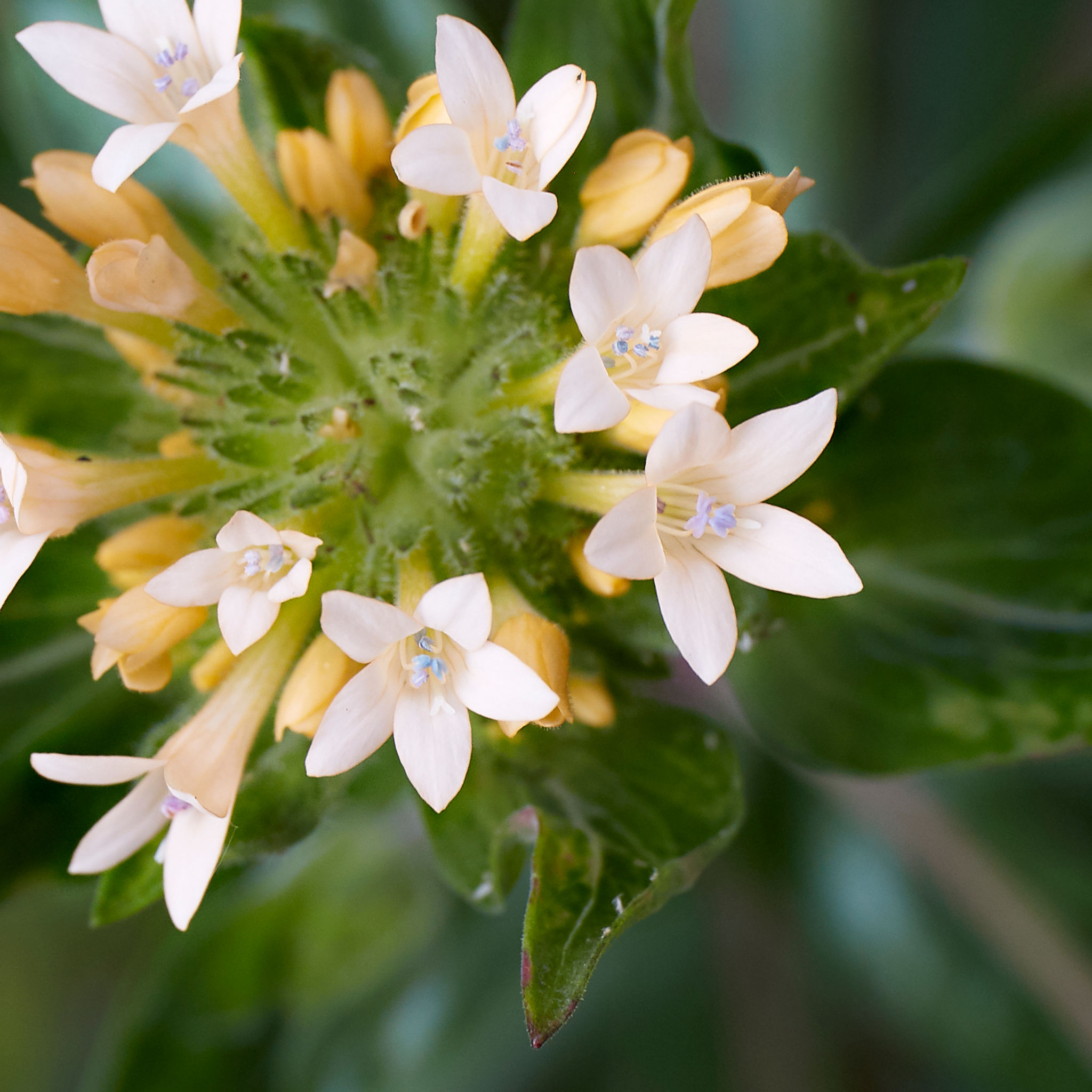

Native Habitat:
Open prairies, dry meadows, grasslands, oak savannas, rocky slopes, forest openings, and roadsides throughout western North America. In the Pacific Northwest, it is especially well adapted to the dry-summer conditions of the Willamette Valley, where it occurs in open, sunny habitats and seasonally dry soils.
Bloom Time:
May – July
Growth Habit & Mature Size:
Annual herb, typically 1–3 feet tall, with upright, branching stems and narrow, lance-shaped leaves. Produces conspicuous terminal clusters of pink, lavender, or reddish-pink tubular flowers, often forming rounded heads above the foliage.
Light & Soil Requirements:
Full sun to light shade; prefers well-drained, moderately dry soils including sandy, gravelly, and loamy soils. Performs particularly well where winter and spring moisture is followed by dry summer conditions.
Willamette Valley Native Companion Plants:
Achillea millefolium
Eriophyllum lanatum
Festuca idahoensis
Lomatium nudicaule
Wyethia angustifolia
Carex tumulicola
Urban Garden Function:
An excellent seasonal wildflower for native prairie gardens, dry meadows, pollinator borders, and oak savanna restoration. Its upright form and colorful flower clusters provide a strong vertical accent among bunchgrasses and lower-growing prairie plants. Because it is an annual, it can also help fill developing restoration plantings while longer-lived perennials become established.
Wildlife Supported:
The tubular flowers provide nectar for bumblebees and other long-tongued native bees, as well as butterflies and moths. Smaller flower-visiting insects, including syrphid flies and solitary bees, may also forage on the flowers. Seeds are available to small seed-eating birds and other granivorous wildlife after flowering. The foliage supports herbivorous insects, which provide prey for spiders, predatory insects, and insect-eating birds.
Historical Use:
There is limited species-specific documentation of traditional uses for Collomia grandiflora. The genus was known and utilized in various ways by Indigenous peoples, particularly for seeds and other plant materials, although uses varied by species and region. Today, Grand Collomia is valued primarily for native prairie restoration, seasonal color, and pollinator habitat.
Seed Germination:
Grand Collomia is generally straightforward to grow from seed. Collect mature seeds when the dried flower heads begin to release them. Fall sowing is recommended, allowing natural winter conditions to promote germination. For spring sowing, provide approximately 30 days of cold-moist stratification. Sow seeds about ⅛–¼ inch deep in a well-drained seed-starting mix and keep evenly moist. After stratification, germination generally occurs at 55–70°F (13–21°C) within several weeks. Provide bright light once seedlings emerge. Transplant young plants carefully before they become root-bound. Once established outdoors, allow the soil to dry somewhat between waterings to encourage adaptation to summer-dry prairie conditions.


