Native Habitat:
Dry open slopes, grasslands, and meadows in western North America, including the Willamette Valley. Often found in low- to mid-elevation sites with well-drained soils.
Bloom Time:
June – September
Growth Habit & Mature Size:
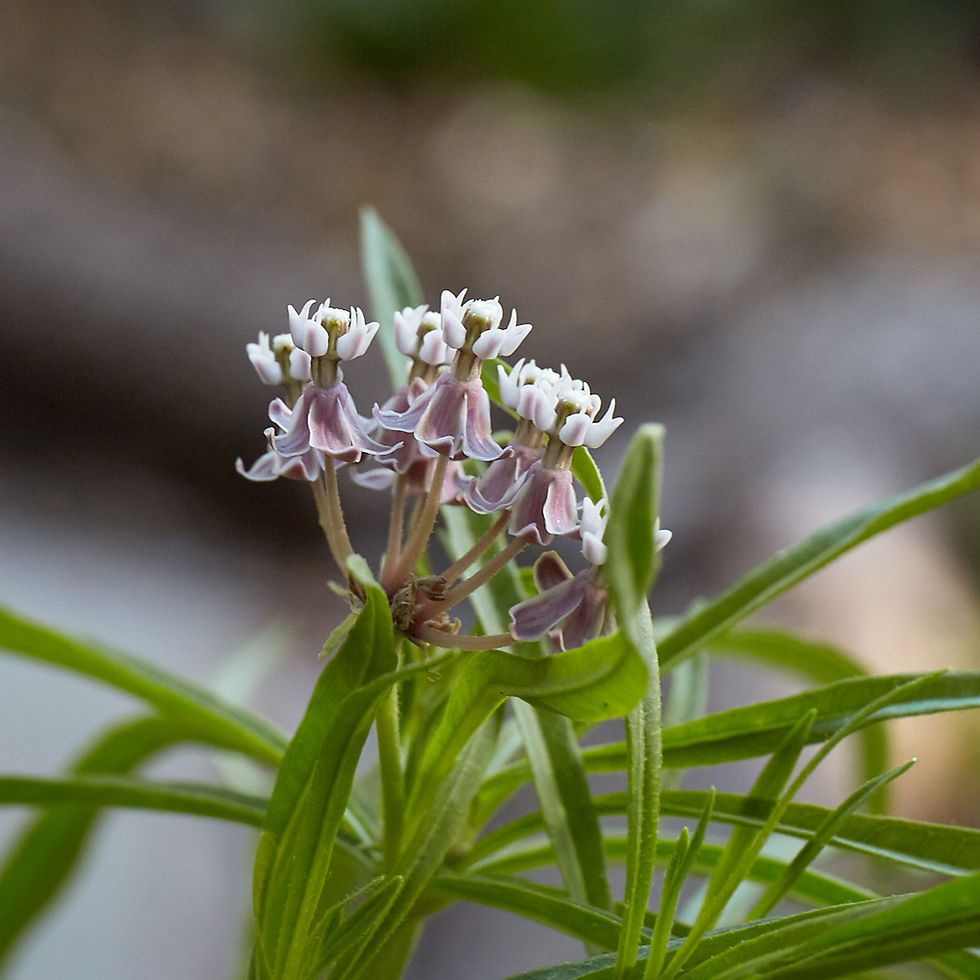
Perennial herb, 1–3 feet tall, with narrow, linear leaves and clusters of fragrant pink to purple flowers. Spreads slowly by rhizomes.
Light & Soil Requirements:
Full sun; well-drained soils, tolerates sandy or rocky conditions. Highly drought-tolerant once established.
Willamette Valley Native Companion Plants:
Eriophyllum lanatum, Achillea millefolium, Camassia quamash, Sidalcea campestris, Festuca roemeri.
Urban Garden Function:
Adds vertical interest and vibrant seasonal color to pollinator gardens, urban meadows, and native perennial borders. Its delicate umbels contrast beautifully with grasses and other wildflowers, making it ideal for habitat gardens, schoolyard landscapes, and sustainable urban plantings that prioritize pollinator support and aesthetic appeal.
Wildlife Supported:
Flowers attract monarch butterflies (Danaus plexippus), native bees, and hummingbirds. Provides larval food for monarch caterpillars, while seeds and foliage support small pollinators and insects.
Historical Use:
Stems and fibers were used by Indigenous peoples for cordage and weaving; plant parts were occasionally used in traditional medicinal applications.