Native Habitat:
Shaded forests, open woodlands, and moist slopes throughout western North America, including the Willamette Valley. Prefers well-drained soils rich in organic matter.
Bloom Time:
April – July
Growth Habit & Mature Size:
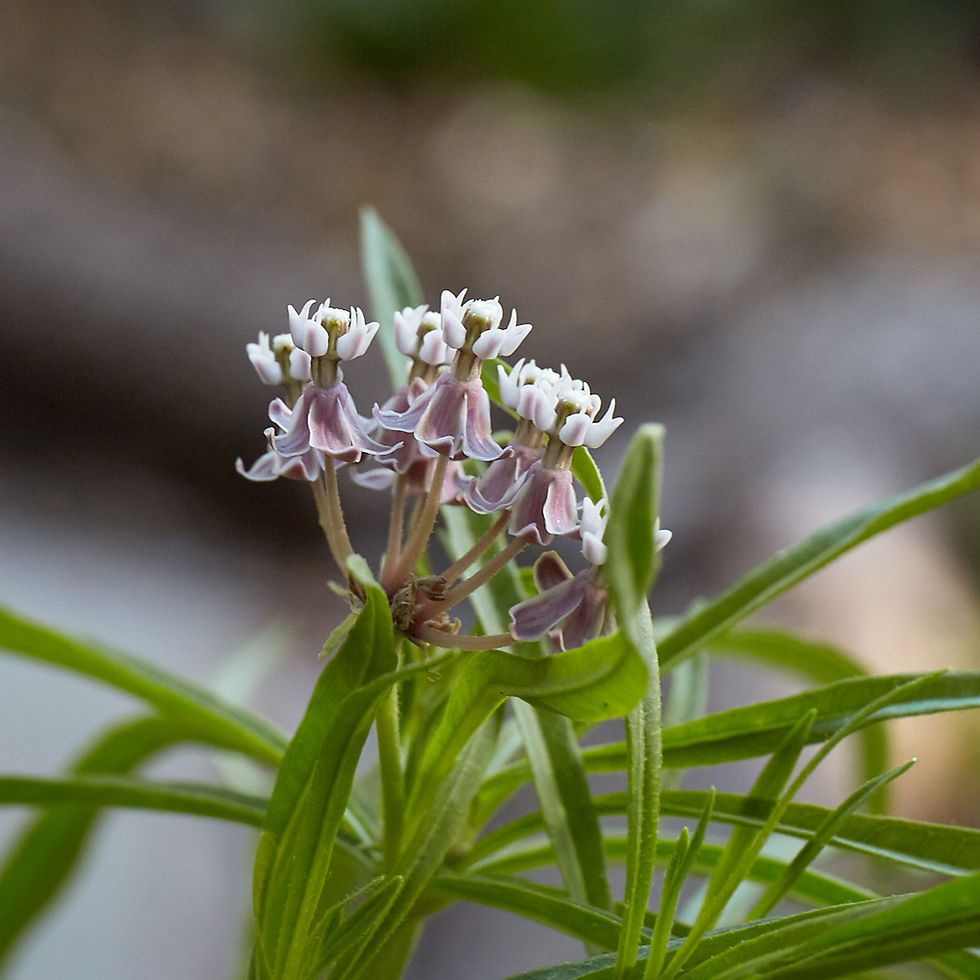
Low-growing annual or short-lived perennial, 4–12 inches tall, with slender reddish stems and paired lance-shaped leaves. Produces small pink to white flowers in loose clusters.
Light & Soil Requirements:
Partial to full shade; thrives in moist, well-drained soils high in organic matter.
Willamette Valley Native Companion Plants:
Tolmiea menziesii, Camassia quamash, Achlys triphylla, Polystichum munitum, Eriophyllum lanatum.
Urban Garden Function:
Ideal for shaded urban garden beds, woodland-inspired plantings, and rain gardens. Its low, spreading habit creates soft groundcover with seasonal floral interest, complementing taller perennials and ferns. Works well for layering in shaded or partially shaded urban landscapes.
Wildlife Supported:
Flowers attract small native bees, flies, and early-season pollinators. Foliage provides cover for soil-dwelling insects and microfauna.
Historical Use:
Leaves and stems traditionally consumed by Indigenous peoples as a spring green; also used for minor medicinal purposes.
top of page
All Products




bottom of page