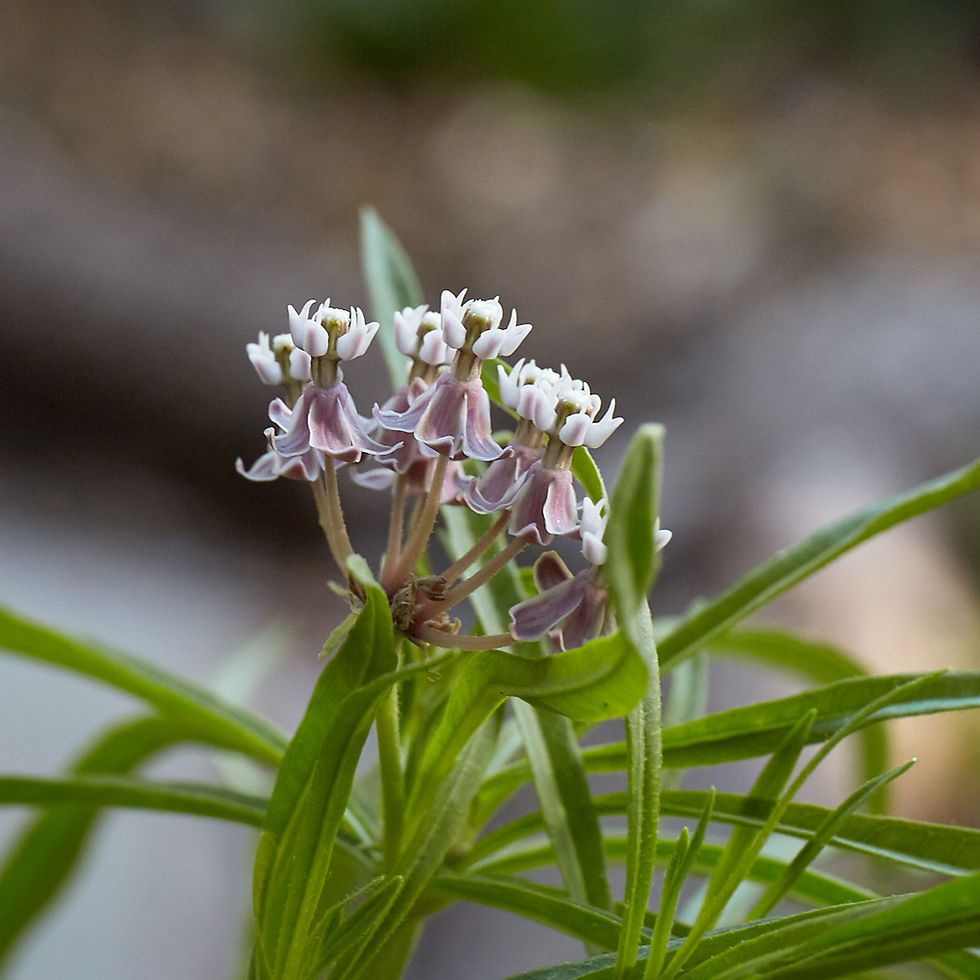
Native Habitat:
Moist, shaded forests, forest edges, and bogs throughout North America, including the Willamette Valley. Prefers cool, rich soils with high organic matter.
Bloom Time:
May – July
Growth Habit & Mature Size:
Low-growing, mat-forming perennial, 4–8 inches tall, with creeping rhizomes. Produces whorled leaves and small clusters of white flowers surrounded by showy white bracts, followed by bright red berries in summer.
Light & Soil Requirements:
Partial to full shade; moist, acidic, well-drained soils high in organic matter.
Willamette Valley Native Companion Plants:
Tolmiea menziesii, Polystichum munitum, Athyrium filix-femina, Adiantum pedatum, Oxalis oregana.
Urban Garden Function:
Ideal for shaded urban gardens, woodland-inspired plantings, and rain gardens. Forms low, dense groundcover that provides seasonal interest with its flowers and berries. Works well beneath trees or shrubs, along pathways, or in layered shade plantings to create a lush, forest-like understory.
Wildlife Supported:
Flowers attract small native bees and flies. Berries are consumed by songbirds such as thrushes and robins. Dense mats provide cover for insects and microfauna.
Historical Use:
Berries and leaves were used by Indigenous peoples for food and medicinal purposes; valued for its ornamental beauty in shaded landscapes.