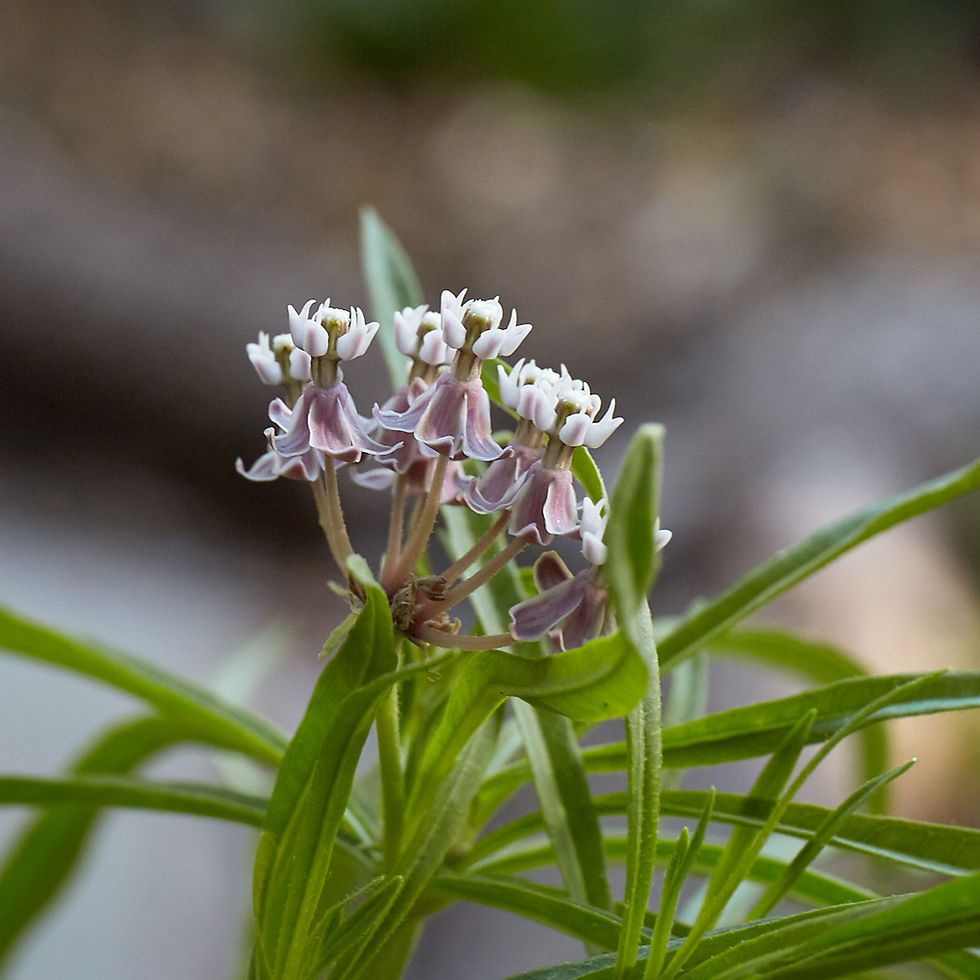
Native Habitat:
Wet meadows, streambanks, floodplains, and forest edges throughout western North America, including the Willamette Valley. Prefers moist to wet soils and full sunlight to partial shade.
Bloom Time:
May – July
Growth Habit & Mature Size:
Deciduous shrub, typically 6–10 feet tall and wide, with multi-stemmed branching and bright red stems in winter. Produces clusters of small white flowers followed by white to bluish berries.
Light & Soil Requirements:
Full sun to partial shade; thrives in moist to wet soils, including clay and loam. Tolerant of seasonal flooding.
Willamette Valley Native Companion Plants:
Carex obnupta, Camassia leichtlinii, Tolmiea menziesii, Festuca roemeri, Achillea millefolium.
Urban Garden Function:
Provides year-round interest with vibrant red stems in winter and clusters of white flowers and berries in spring and summer. Excellent for riparian buffers, rain gardens, bioswales, and naturalized landscapes. Works well as a dense screen, for erosion control, or in habitat-focused urban plantings.
Wildlife Supported:
Flowers attract native bees, butterflies, and syrphid flies. Berries feed songbirds, including thrushes and waxwings. Dense stems and foliage provide shelter and nesting habitat for small birds and invertebrates.
Historical Use:
Used by Indigenous peoples for basketry, medicinal purposes, and as a source of dye.