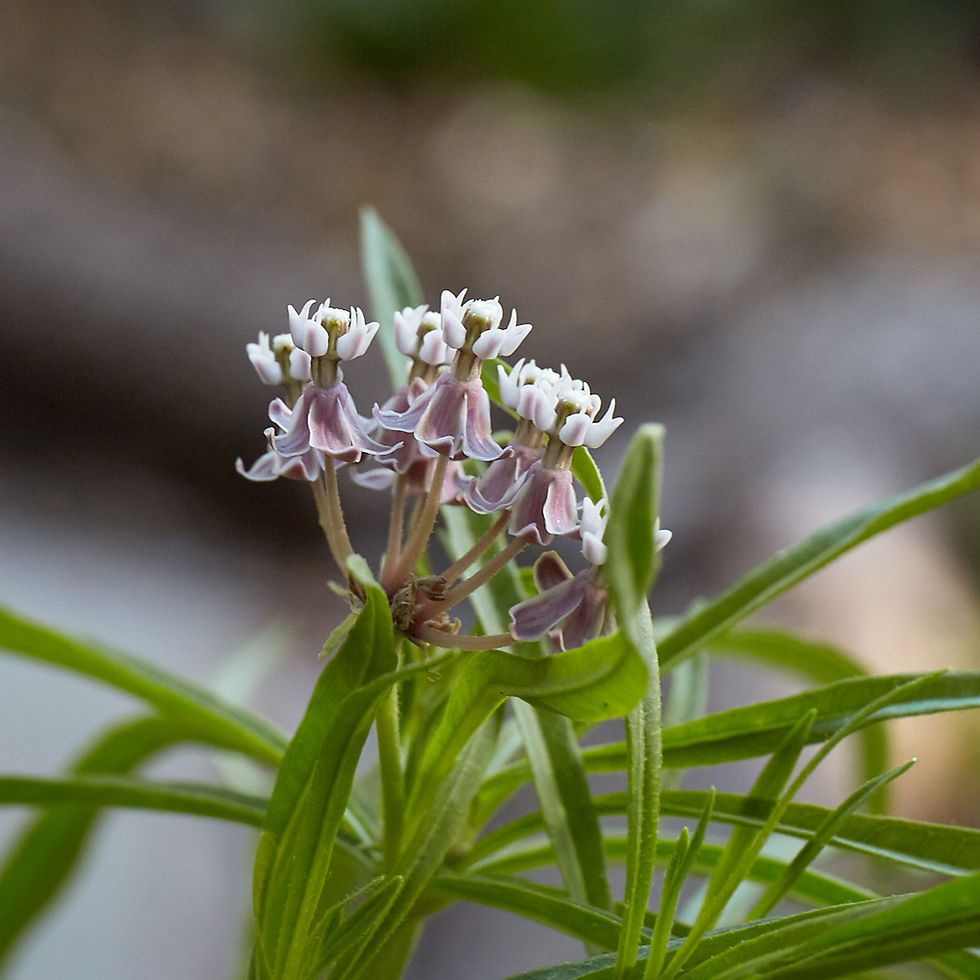
Native Habitat:
Moist meadows, open forests, and streambanks in western North America, including the Willamette Valley. Prefers well-drained, fertile soils in partial sun to light shade.
Bloom Time:
May – July
Growth Habit & Mature Size:
Perennial herb, 2–5 feet tall, with erect stems and deeply lobed, fern-like leaves. Produces tall spikes of showy blue to violet flowers.
Light & Soil Requirements:
Full sun to partial shade; prefers moist, well-drained soils rich in organic matter. Tolerates seasonal wetness but not prolonged waterlogging.
Willamette Valley Native Companion Plants:
Camassia quamash, Achillea millefolium, Eriophyllum lanatum, Sidalcea campestris, Festuca roemeri.
Urban Garden Function:
Adds vertical structure and vibrant color to urban meadows, pollinator gardens, and naturalized landscapes. Its tall flower spikes create focal points and contrast with lower-growing grasses and perennials. Ideal for layered native plantings and habitat-focused gardens emphasizing seasonal bloom succession.
Wildlife Supported:
Flowers attract native bees, bumblebees (Bombus spp.), and butterflies. Foliage provides cover for small insects and supports early-season pollinators.
Historical Use:
Used by Indigenous peoples and early settlers primarily for ornamental purposes and minor medicinal applications.