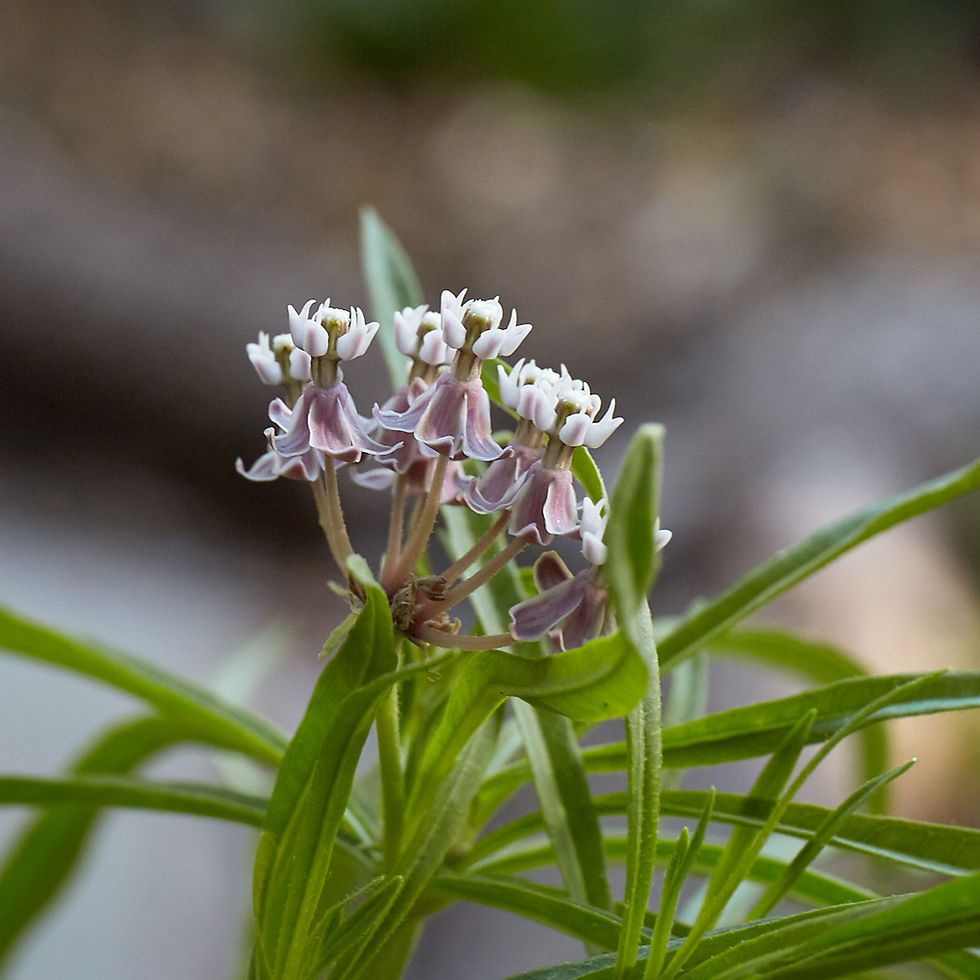
Native Habitat:
Moist meadows, streambanks, wetlands, and open woodlands throughout North America, including the Willamette Valley. Prefers fertile, well-drained soils with consistent moisture.
Bloom Time:
June – August
Growth Habit & Mature Size:
Perennial bunchgrass forming dense tufts 2–4 feet tall, with narrow, arching leaves and fine, airy flowering panicles. Spreads slowly via tillers.
Light & Soil Requirements:
Full sun to partial shade; thrives in moist to seasonally wet soils. Tolerates clay, loam, and sandy substrates.
Willamette Valley Native Companion Plants:
Camassia leichtlinii, Carex obnupta, Tolmiea menziesii, Festuca roemeri, Achillea millefolium.
Urban Garden Function:
Adds texture, vertical movement, and seasonal interest to urban meadows, pollinator gardens, rain gardens, and riparian plantings. Excellent for stabilizing soils on slopes or streambanks. Works well in layered plantings with flowering perennials and other native grasses to create dynamic, naturalistic landscapes.
Wildlife Supported:
Flowers attract native bees and small butterflies. Dense tufts provide cover and nesting habitat for small birds and insects. Roots and foliage create microhabitats for soil invertebrates.
Historical Use:
Used by Indigenous peoples primarily for minor weaving, thatching, and soil stabilization; valued in modern ecological restoration and ornamental plantings.