Native Habitat:
Shaded forests, streambanks, and moist forest understories in western North America, including the Willamette Valley. Prefers rich, well-drained soils with high organic content.
Bloom Time:
April – June
Growth Habit & Mature Size:
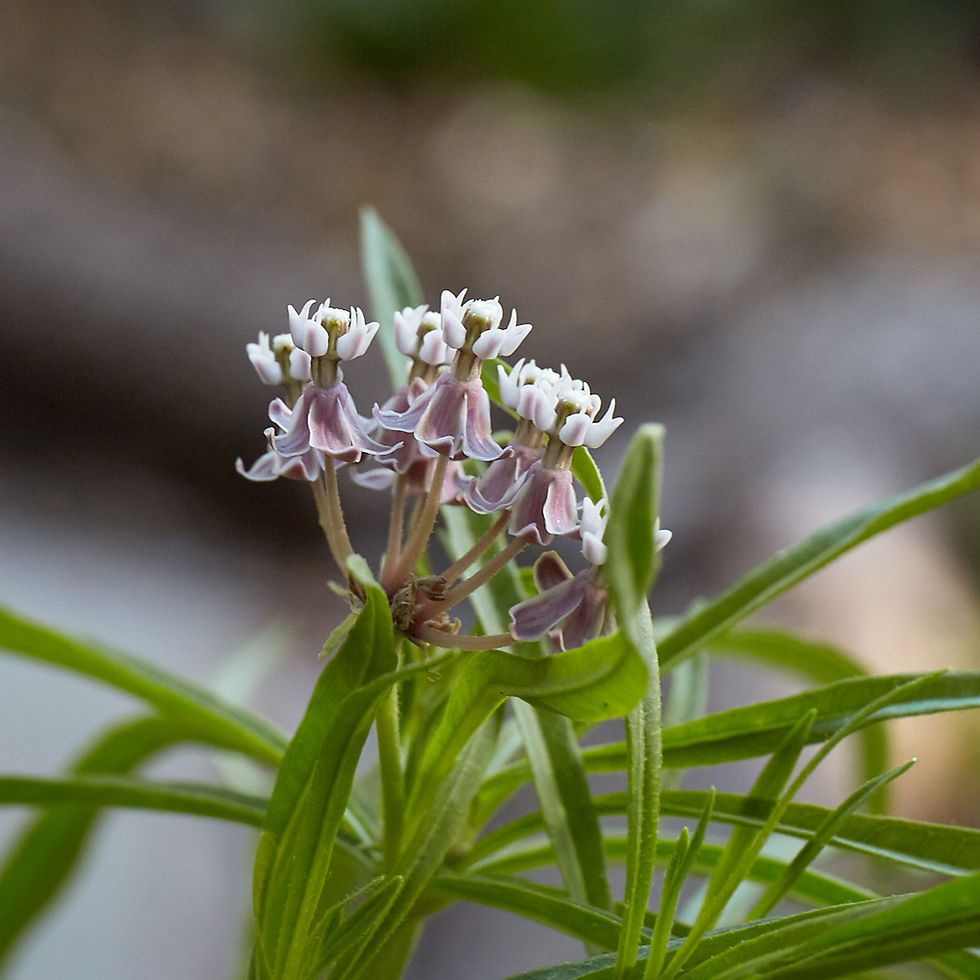
Perennial herb, 1–2 feet tall, with slender stems and broad, lance-shaped leaves. Produces drooping, bell-shaped greenish-white flowers, followed by small blue-black berries.
Light & Soil Requirements:
Partial to full shade; thrives in moist, rich, well-drained soils. Prefers consistently damp conditions and protection from direct sun.
Willamette Valley Native Companion Plants:
Polystichum munitum, Tolmiea menziesii, Athyrium filix-femina, Adiantum pedatum, Camassia leichtlinii.
Urban Garden Function:
Adds delicate structure, seasonal flowers, and subtle color to shaded urban gardens, woodland-inspired landscapes, and rain gardens. Works well as an understory plant beneath shrubs and trees, providing texture, layering, and seasonal interest.
Wildlife Supported:
Flowers attract small native bees and flies. Berries are consumed by songbirds, while foliage provides shelter for small insects and invertebrates.
Historical Use:
Used by Indigenous peoples for minor medicinal purposes and occasionally for decorative or ceremonial applications.
top of page
All Products



bottom of page