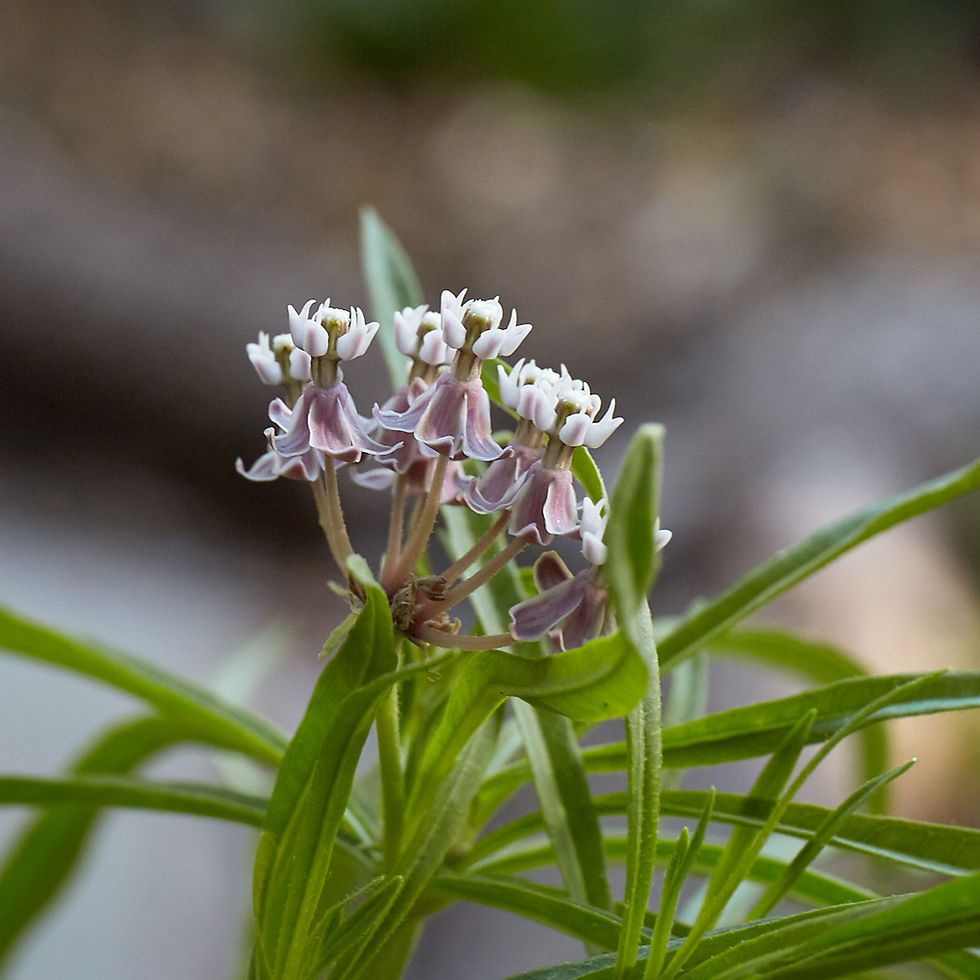
Native Habitat:
Seasonally wet meadows, vernal pools, and open grassy areas in western North America, including the Willamette Valley. Prefers well-drained soils that experience periodic inundation.
Bloom Time:
May – July
Growth Habit & Mature Size:
Annual herb, 4–12 inches tall, with slender stems and small, tubular, two-lipped flowers in shades of blue, purple, and white. Forms low, delicate clusters.
Light & Soil Requirements:
Full sun to partial shade; thrives in moist, well-drained soils with seasonal wetness. Tolerates clay, loam, and sandy substrates.
Willamette Valley Native Companion Plants:
Camassia quamash, Achillea millefolium, Eriophyllum lanatum, Sidalcea campestris, Festuca roemeri.
Urban Garden Function:
Adds early- to mid-summer color and delicate form to urban meadows, rain gardens, and naturalized landscapes. Works well in seasonal wet areas, shallow depressions, or along pathways in layered native plantings. Ideal for vernal pool restoration and pollinator gardens.
Wildlife Supported:
Flowers attract native bees, small butterflies, and other pollinators. Foliage provides shelter for ground-dwelling insects and microfauna.
Historical Use:
Used by Indigenous peoples for minor ornamental or ceremonial purposes; valued in habitat restoration and naturalized plantings.