Native Habitat:
Open rocky slopes, dry hillsides, and grasslands in western North America, including the Willamette Valley. Prefers well-drained, sandy or rocky soils.
Bloom Time:
June – September
Growth Habit & Mature Size:
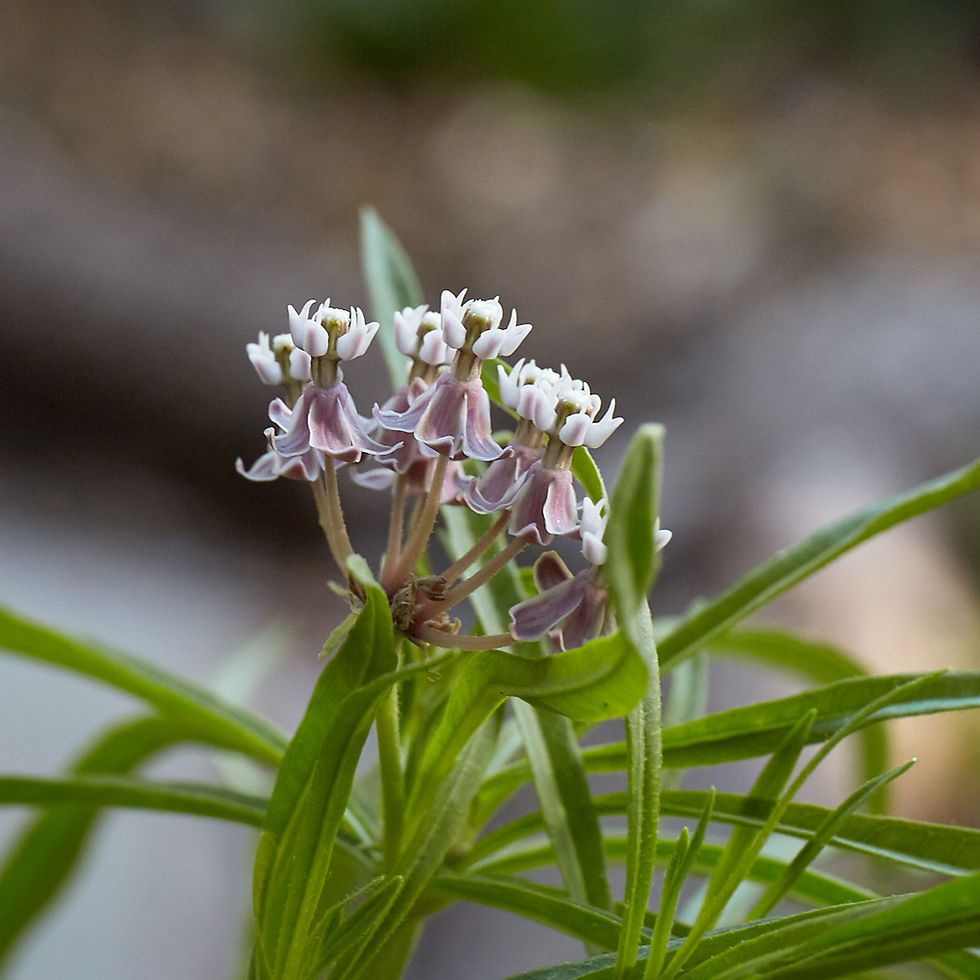
Perennial herb or subshrub, 6–18 inches tall, forming low to mounded clumps. Produces basal, gray-green leaves and erect stems with flat-topped clusters of small yellow to yellow-green flowers.
Light & Soil Requirements:
Full sun; thrives in well-drained soils, including rocky or sandy substrates. Highly drought-tolerant and low-maintenance once established.
Willamette Valley Native Companion Plants:
Festuca roemeri, Camassia quamash, Achillea millefolium, Eriophyllum lanatum, Sidalcea campestris.
Urban Garden Function:
Adds texture, color, and vertical interest to rock gardens, urban meadows, and naturalized landscapes. Its long-lasting blooms provide aesthetic appeal and support pollinators in low-maintenance, drought-tolerant urban plantings.
Wildlife Supported:
Flowers attract native bees, butterflies, and other pollinators. Dense foliage and clumps offer shelter for small insects and beneficial arthropods.
Historical Use:
Used by Indigenous peoples for minor medicinal purposes and occasionally in basketry; valued for ornamental use in naturalized and habitat-focused plantings.
top of page
All Products




bottom of page