
Native Habitat:
Moist forests, streambanks, and riparian areas in western North America, including the Willamette Valley. Prefers rich, well-drained soils and partial shade.
Bloom Time:
May – July
Growth Habit & Mature Size:
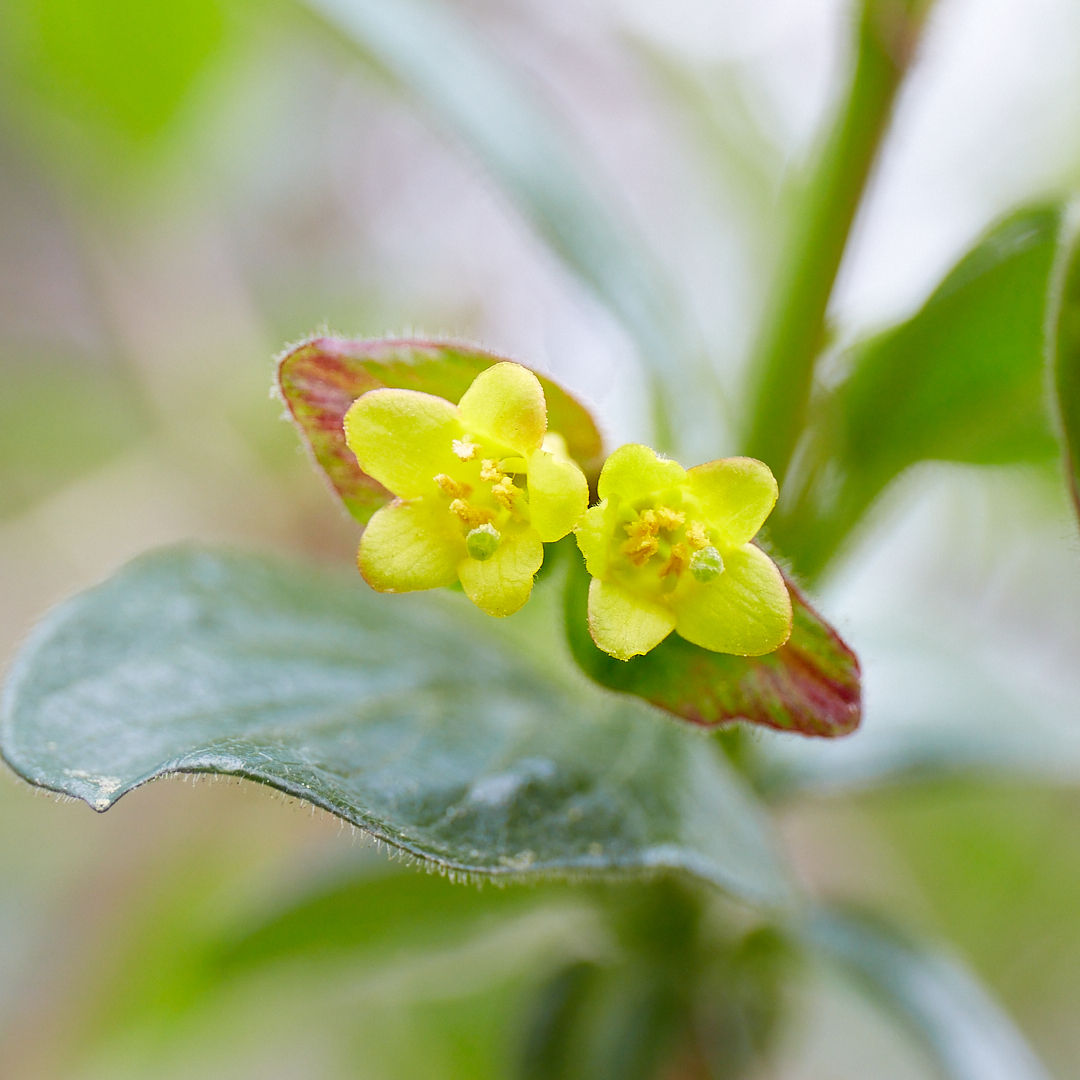
Deciduous shrub, 3–10 feet tall, with opposite, oval leaves and arching stems. Produces paired tubular yellow flowers surrounded by purplish-red bracts, followed by glossy black twin berries.
Light & Soil Requirements:
Partial shade to full sun; thrives in moist, fertile soils rich in organic matter. Tolerates seasonal flooding and wet conditions.
Willamette Valley Native Companion Plants:
Acer circinatum, Cornus sericea, Polystichum munitum, Spiraea douglasii, Athyrium filix-femina.
Urban Garden Function:
Provides striking floral and fruit display, structural diversity, and wildlife habitat in urban rain gardens, riparian buffers, and woodland edges. Works well in habitat-focused landscapes and native shrub borders.
Wildlife Supported:
Flowers attract hummingbirds and native bees. Berries provide food for birds, including thrushes and waxwings. Dense branching offers shelter and nesting sites for small birds and beneficial insects.
Historical Use:
Used by Indigenous peoples for medicinal and dye purposes; valued ornamentally for its colorful bracts and fruit in naturalized and habitat-focused gardens.


